Regulatory Shifts Reshaping Player Incentives at Licensed Austrian Slot Platforms
Sage Vogel · Aug 24, 2026

Regulatory Shifts Reshaping Player Incentives at Licensed Austrian Slot Platforms
Recent amendments to Austria's gambling framework have altered how licensed operators structure player incentives on slot platforms, with new compliance requirements reshaping loyalty programs, promotional offers, and reward mechanisms across the sector. Data from the Austrian Federal Ministry of Finance shows that these adjustments stem from updated provisions in the Glücksspielgesetz, which took incremental effect through 2025 and continue rolling out into 2026.
Current Regulatory Landscape for Austrian Slot Operators
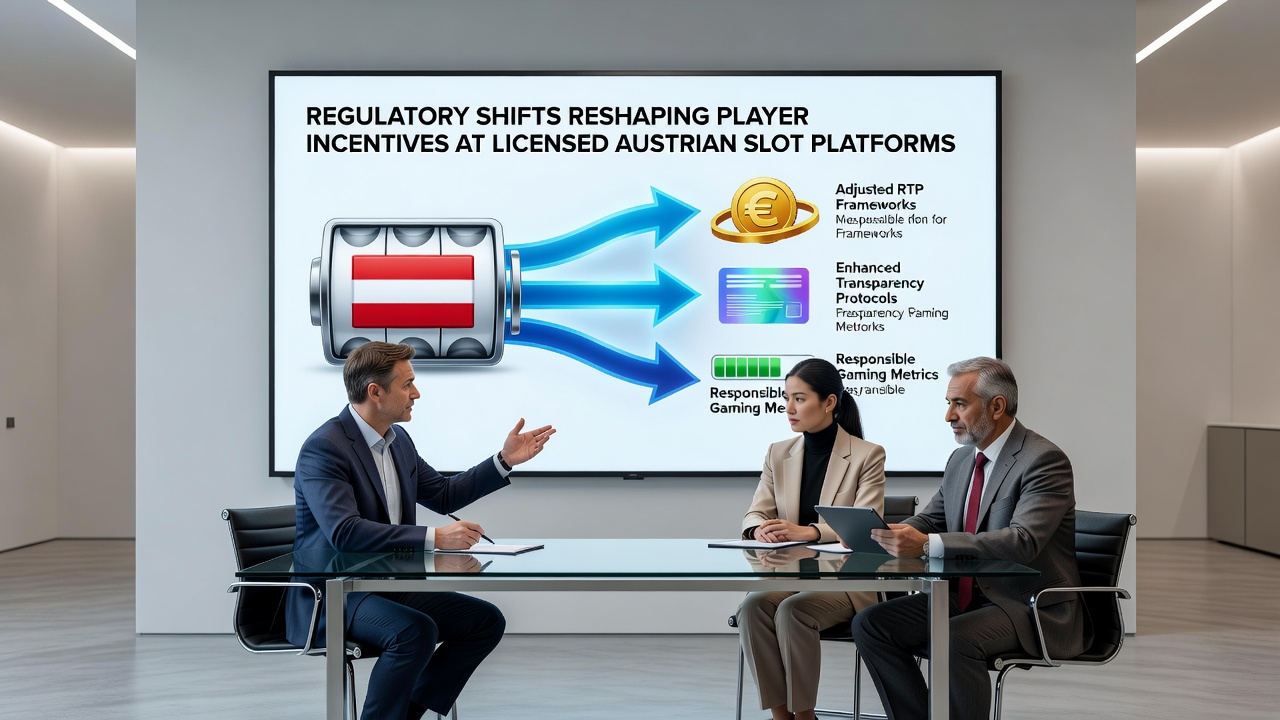
Licensed platforms must adhere to strict oversight from federal authorities, where player incentives face caps on promotional value and mandatory disclosure rules that went into force earlier this decade. Observers note that operators now calculate bonus structures around fixed return-to-player percentages, while loyalty tiers require documented proof of responsible gaming integration before rollout.
Research from the European Commission indicates similar patterns across member states, where Austria's approach emphasizes transparency in how incentives tie to deposit activity and session length. Those who track compliance reports find that platforms have shifted from broad cashback campaigns toward segmented rewards that align with individual play patterns verified through licensed systems.
Key Changes Taking Effect in August 2026
August 2026 marks the next phase of implementation for revised incentive guidelines, requiring all licensed slot platforms to cap aggregate promotional value per player account at levels tied to verified activity thresholds. Figures from industry monitoring groups reveal that this adjustment follows audits showing uneven distribution of rewards under prior rules, prompting tighter linkage between incentives and documented session data.
Operators have responded by redesigning loyalty frameworks to emphasize non-monetary elements such as extended play credits earned through verified milestones, while cash equivalents undergo additional verification steps. Studies conducted by academic researchers at institutions across the EU highlight how these modifications reduce the frequency of high-value sign-up offers, replacing them with ongoing engagement tools that comply with session-limit protocols.
Impact on Player Reward Structures
Platform data indicates that loyalty programs now incorporate mandatory cooling-off periods before reward redemption, a measure introduced to align incentives with responsible gaming benchmarks. What's interesting is how operators have adapted by expanding tiered status benefits that focus on access rather than direct monetary returns, such as priority game selection or customized interface options.
But here's the thing: these adaptations maintain player engagement while satisfying new reporting obligations that track incentive distribution across demographic segments. External analyses from bodies like the Canadian Institute for Gaming Research suggest parallel trends in other regulated markets, where similar caps have led to diversified reward portfolios that blend virtual goods with limited financial perks.
Comparative Approaches in Regulated Markets
Australian regulatory reviews provide context for Austria's direction, showing that incentive restrictions often correlate with increased focus on player education modules integrated into reward systems. Licensed operators in Austria have begun embedding similar educational components directly into promotional interfaces, ensuring that reward claims trigger brief compliance acknowledgments.
Those who've examined cross-border reports note that Austria's model places heavier emphasis on real-time monitoring of incentive uptake, with platforms required to submit quarterly summaries of reward distribution. This contrasts with frameworks in other regions that prioritize post-hoc audits, yet both approaches aim to stabilize incentive practices within licensed environments.
Future Outlook for Licensed Platforms
Industry associations project that ongoing refinements will continue shaping how incentives function, particularly as data analytics tools become standard for verifying compliance. Platforms have already begun testing adaptive reward algorithms that adjust offers based on individual regulatory flags rather than static campaigns.
Conclusion
The evolving regulatory environment in Austria continues to influence incentive design on licensed slot platforms through structured requirements that balance player engagement with compliance standards. As provisions activate in August 2026 and beyond, operators maintain focus on transparent, documented systems that meet federal guidelines while sustaining platform activity. Data trends indicate steady adaptation across the licensed sector, with reward mechanisms evolving alongside these documented shifts.