Tracing Compliance Pathways for Introductory Slot Rewards Across Austria's Regulated Digital Gaming Operators
Felix Butler · Oct 15, 2026
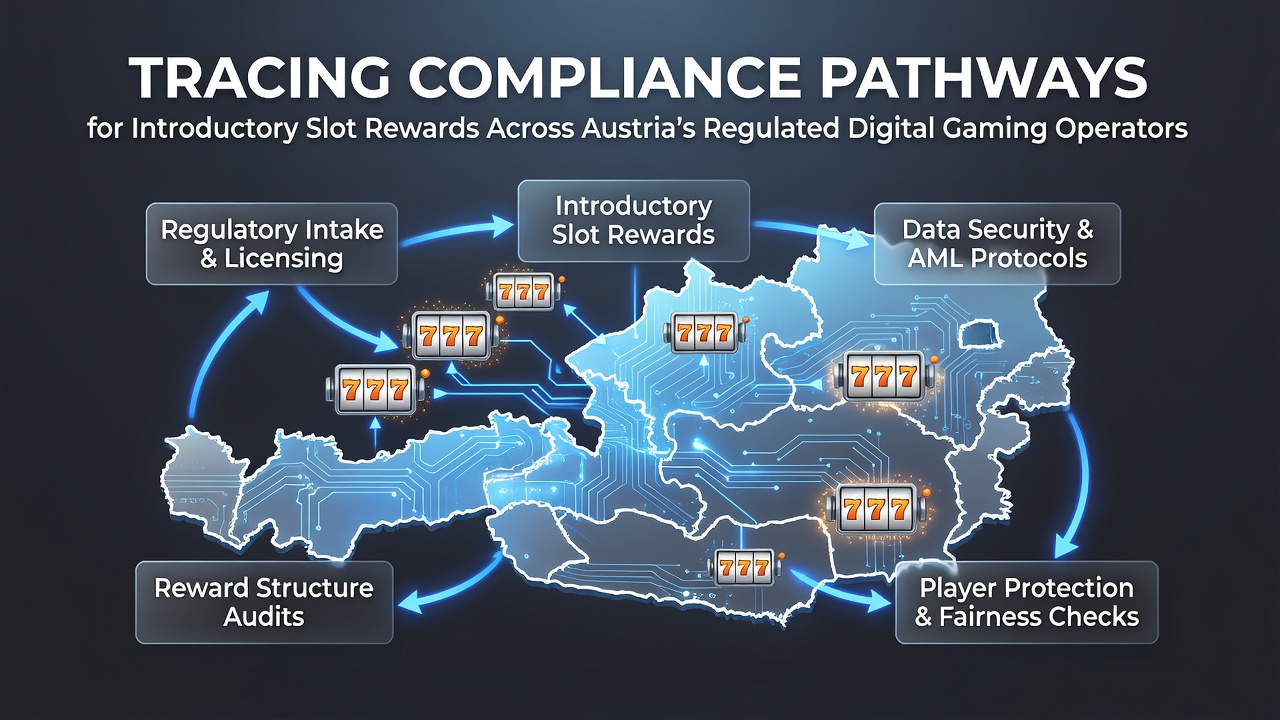
Tracing Compliance Pathways for Introductory Slot Rewards Across Austria's Regulated Digital Gaming Operators
Operators in Austria navigate a structured framework of licensing conditions when they introduce slot rewards to new players, and compliance begins with alignment to the Glücksspielgesetz provisions that govern digital platforms. Regulators require each licensed entity to submit detailed plans for reward structures before deployment, which includes verification that promotional offers meet strict thresholds for transparency and player eligibility. Data from the Austrian Federal Ministry of Finance shows that these pre-approval steps have expanded since earlier licensing rounds, with operators submitting updated protocols on a rolling basis to maintain active permits.
Verification processes form the core of these pathways, where operators implement identity checks and age confirmation systems before any introductory reward activates. Those who have studied the Austrian system note that multi-factor authentication protocols must integrate with national databases, and failure to complete these steps blocks reward access for the player. Research indicates that operators conduct internal audits quarterly to confirm ongoing adherence, while external reviews by appointed auditors occur at least annually to validate the entire chain from application to reward distribution.
Mapping the Regulatory Requirements for Reward Distribution
Introductory slot rewards must follow precise reporting lines that feed into centralized oversight systems managed by Austrian authorities, and operators log each instance of reward issuance along with player interaction metrics. These records allow regulators to trace patterns that could indicate non-compliance, such as repeated access attempts or mismatched eligibility data. According to figures released by the Alcohol and Gaming Commission of Ontario, similar cross-border compliance tracking methods have influenced European operators who adapt their internal dashboards to mirror these layered oversight models.
Operators also maintain separate ledgers for financial flows tied to rewards, which separate promotional funds from standard player deposits to prevent commingling violations. This separation supports anti-money laundering checks that run continuously across accounts, and any discrepancy triggers automated flags that route to compliance teams for immediate review. Those overseeing multiple platforms report that integration of these ledgers with real-time monitoring software has reduced processing delays while preserving audit trails that extend back through every transaction stage.
Operational Adjustments in Advance of October 2026 Deadlines
Preparations for enhanced data submission standards set for October 2026 have prompted operators to upgrade their tracking infrastructure, particularly around introductory reward eligibility windows and redemption rates. Systems now capture granular timestamps for each compliance checkpoint, which feeds into unified reports that Austrian regulators will review under the new timetable. Observers note that platforms with legacy software have accelerated vendor partnerships to meet these benchmarks, while newer entrants built their architectures around these requirements from the outset.
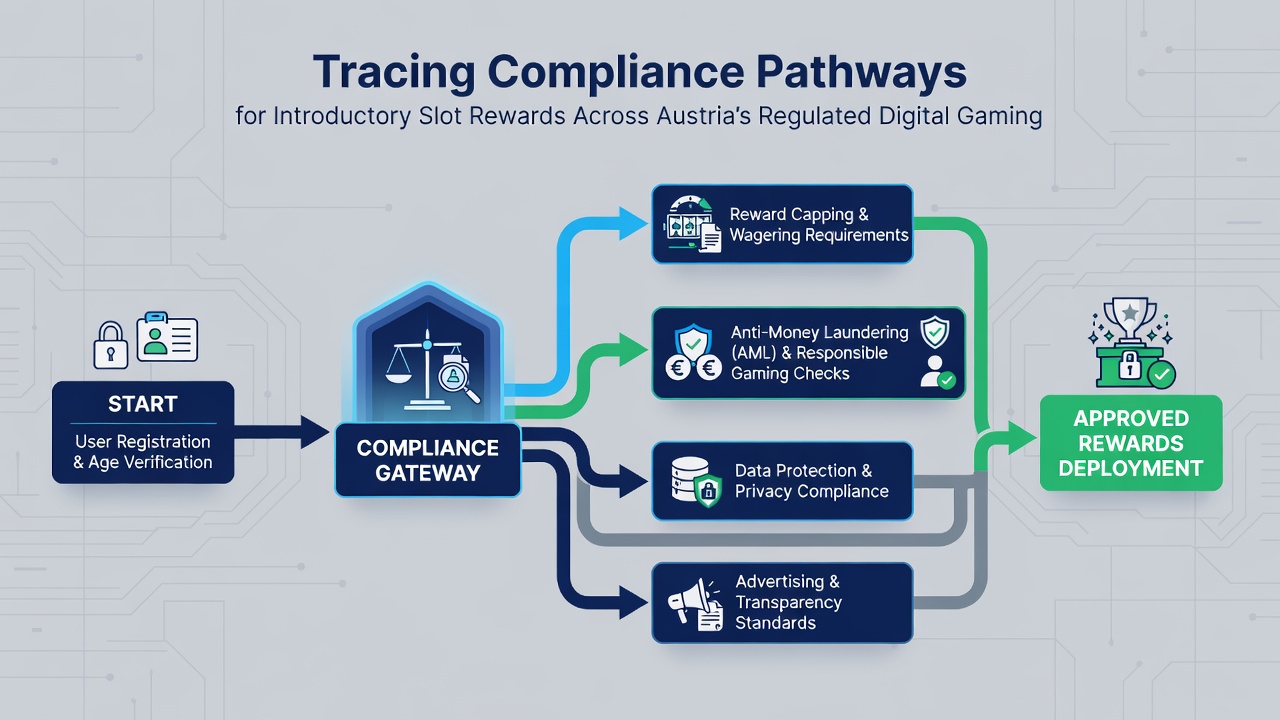
Training programs for staff involved in reward administration have also intensified, with modules covering updated verification sequences and escalation procedures for edge cases. These sessions emphasize documentation standards that align with both national rules and supplementary European Union guidelines on consumer protection in digital services. Evidence from industry reports highlights that operators completing these programs ahead of schedule demonstrate fewer discrepancies during mock audits conducted by independent consultants.
Cross-Platform Comparisons and Shared Compliance Tools
Multiple licensed operators exchange anonymized data sets through industry associations to benchmark their compliance performance against peers, which helps identify gaps in reward pathway execution before regulators intervene. This collaborative approach draws on methodologies tested in other jurisdictions, including frameworks from the Pennsylvania Gaming Control Board that emphasize standardized logging formats for promotional activity. Operators incorporate these templates to streamline submissions and reduce the administrative burden associated with repeated regulatory queries.
Yet challenges persist when platforms expand their reward catalogs, because each new variant requires fresh compliance mapping to ensure it does not inadvertently breach existing caps on promotional frequency or value. Teams responsible for these mappings conduct scenario testing that simulates player journeys from registration through reward activation, and they adjust parameters based on test outcomes. Data shows that such iterative testing correlates with higher pass rates during formal regulatory inspections across the Austrian market.
Conclusion
The compliance pathways for introductory slot rewards in Austria continue to evolve through layered verification, detailed reporting, and forward-looking infrastructure upgrades tied to the October 2026 horizon. Licensed operators maintain these systems to sustain their permits while delivering rewards within defined regulatory boundaries. Ongoing refinements to tracking tools and staff protocols support consistent adherence across the sector, with shared benchmarks drawn from international examples helping to refine local practices without introducing new variables.